
Playbook: Snapshots
Privacy Policy & Terms of Service

Terraso
One way of implementing the BD4D Commitments is through a legal agreement, such as an organization’s Privacy Policy or the Terms of Service established for users of its products and services. Terraso, an open source software project that provides web and mobile applications designed for use by students, farmers, and community leaders, incorporated the Commitments into both its Privacy Policy and Terms of Service. Here’s a snapshot of what they did.
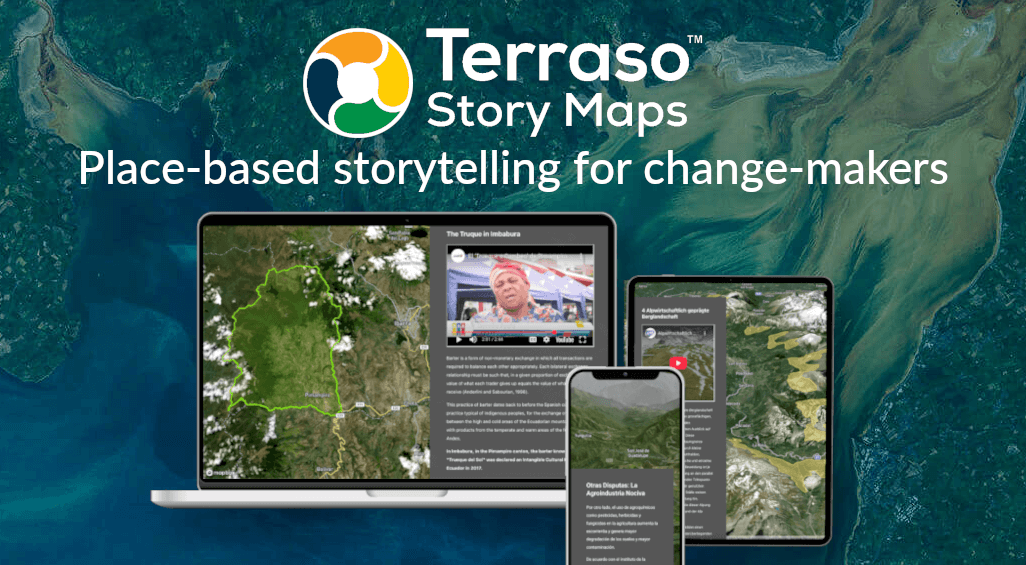
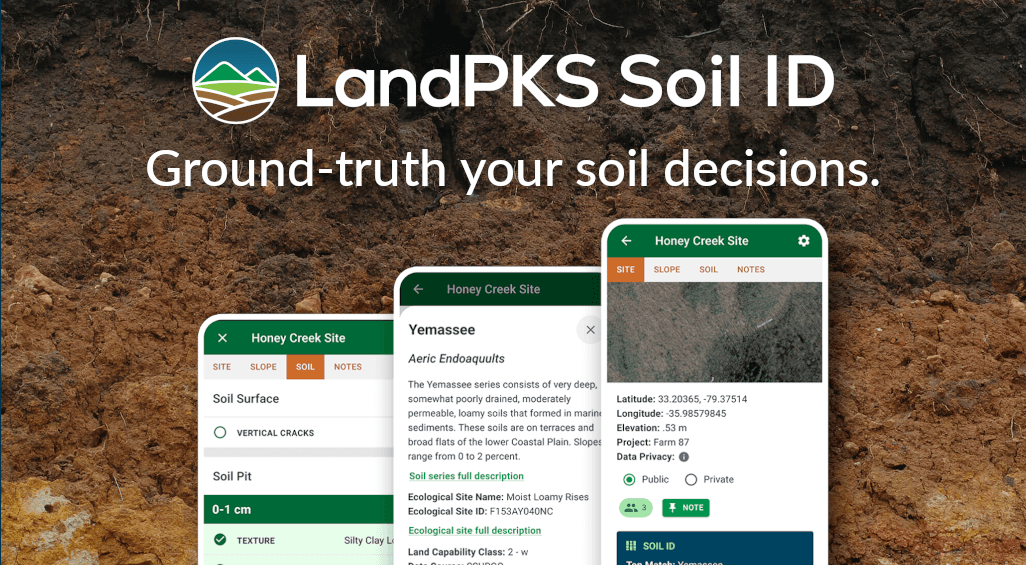
Terraso software is used to capture, visualize, and share place-based data, media, and narratives. It was developed following principles of community-centered data stewardship and data sovereignty, but the first Terraso Privacy Policy reflected neither. It was adapted from a common corporate legal template and didn’t provide the desired clarity or user protections. The software itself was initially released without any Terms of Service.
The handling of data within the Terraso applications already fulfilled the spirit of the Better Deal for Data: data was always considered to belong to the users, was never monetized, and was not shared without an explicit user request. Thus, a key goal in updating its legal documents was to codify this publicly.
Adopting the BD4D Standard required both revising the Privacy Policy, and creating a new Terms of Service that fulfilled the BD4D Commitments. Working closely with experienced pro bono legal advisors who specialize in software privacy law, the Terraso team:
- Created clear, plain language section titles in both documents to make it easy to find specific topics, and to summarize the intent of the legal language. For example, using the title “Your Feedback is a Gift” instead of just “Feedback,” “We Only Use Your Content on Your Behalf” instead of “Permissions to Your User Content,” and “The Services May Not Last Forever” instead of “Termination.”
- Simplified complex legal provisions. For example, “Removal of User Content” was retitled to “Content Removal is Unlikely to be Complete,” with language explaining that public posts or shared content might have been copied and stored by others, and that the act of removing them from the platform won’t necessarily delete all copies. They also removed language that was designed solely to minimize legal exposure in a potentially contentious environment, for example, provisions designed to inhibit class action, force binding arbitration, or disallow jury trials.
- Explicitly referenced the Better Deal for Data, and stated compliance with its Commitments.
Reviewing legal documents is only one aspect of adopting the BD4D Standard, and not every organization will elect to incorporate the BD4D Commitments directly into theirs. What is important is that a BD4D Adopter’s data practices, organizational philosophy, and legal agreements are all aligned.
Resources
Web & Mobile Data Platform