
Data Behind the Scenes: The Carter Center
February 11, 2026 | Celine Takatsuno
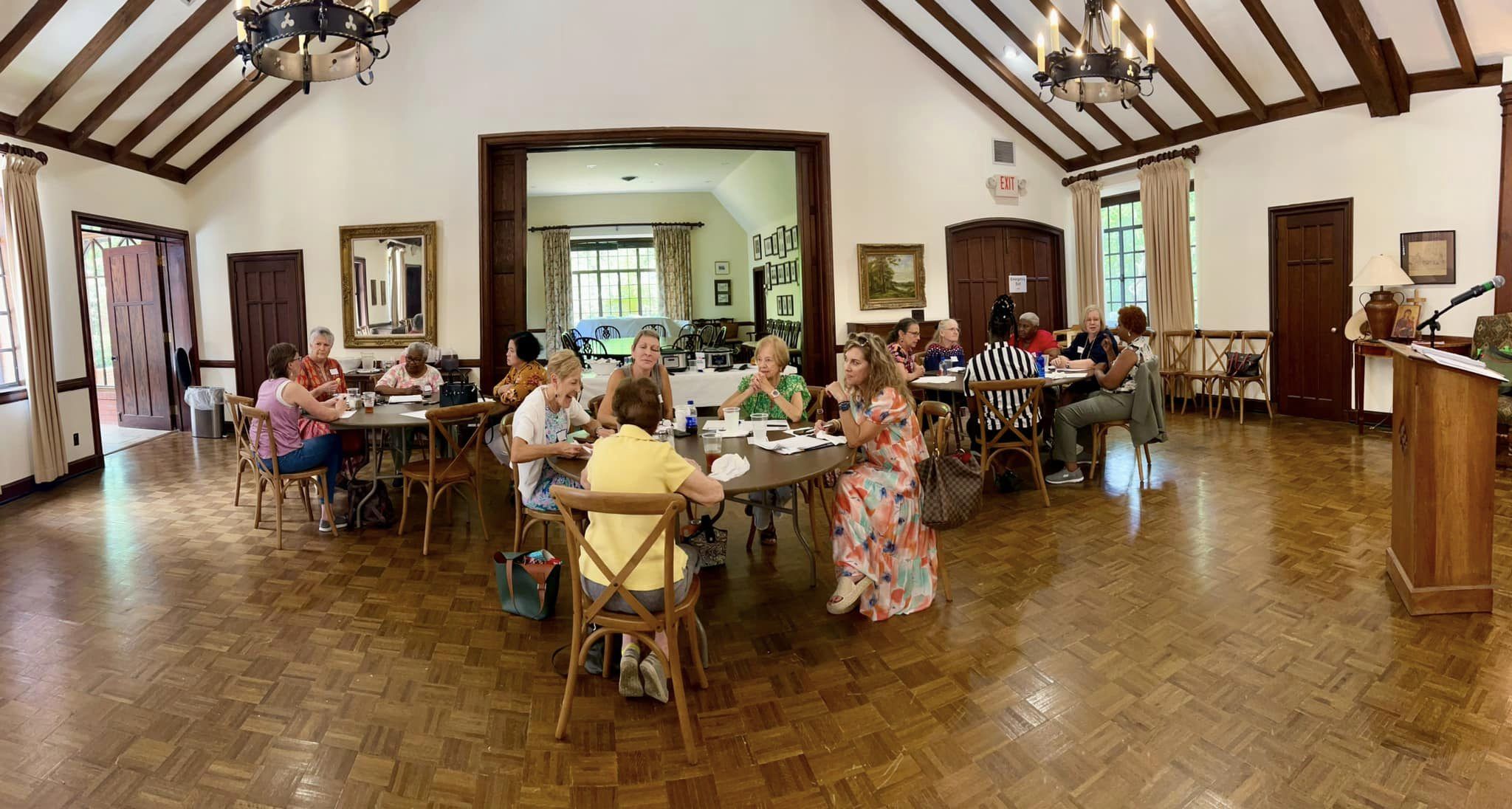
Caregiver Support Program Workshop
“We offer the BD4D Standard version 1.0 to the social sector in a spirit of co-creation…”
—Introduction, Better Deal for Data Standard
A critical part of building the BD4D Standard and Playbook was to engage our own community to learn about how nonprofit organizations collect, use, and share data. We met with organizations of all sizes and sectors to understand the benefits they hoped to achieve with data, and the data challenges they faced in their programs. The Rosalynn Carter Mental Health and Caregiver Program at The Carter Center was one of the first programs to get involved.
 The Carter Center (TCC) is a nonprofit, non-governmental organization founded in 1982 by former U.S. President Jimmy Carter and his wife Rosalynn Carter, in partnership with Emory University. It is based in Atlanta, Georgia, and operates globally with the mission to wage peace, fight disease, and build hope by advancing human rights, alleviating human suffering, and improving public health and democracy around the world.
The Rosalynn Carter Mental Health and Caregiver Program (RCMHCP) at The Carter Center stems from former First Lady Rosalynn Carter’s two causes she championed throughout her life: improving mental health and supporting caregivers. The mission of RCMHCP is to transform fragmented mental health and caregiving systems by building the capacity of health and community-based actors, advancing evidence-based policy, and inspiring change through storytelling to build inclusive, accessible care for all.
Over the course of a year, we met regularly with The Carter Center’s Ke Wang, PhD., who led the development of RCMHCP’s innovative caregiver data platform. She provided our team with a meaningful look at their program’s “three pillar” data operations, from its sources and stakeholders to its outputs and outcomes. We asked Dr. Wang to share three behind-the-scenes highlights with us here.
The Carter Center has been recognized as a pioneer in using data to drive its work. How has this approach impacted your community?
The Carter Center’s caregiver programs are evidence-based and data-informed, built on a research-to-impact pipeline that moves from identifying needs to generating evidence and leading innovation. We collect comprehensive caregiver data at multiple time points across the program journey to understand who caregivers are, their evolving needs, emerging trends, and service gaps, while also monitoring program delivery, performance, and impact. By examining intervention mechanisms and outcomes, we identify what truly helps caregivers sustain their wellbeing and caregiving roles.
Our approach connects individual and family-level experiences to broader workplace, health, and public policy systems, recognizing caregiving as not only a health issue but also an economic and social policy issue. Together, this creates a virtuous cycle in which caregiver-contributed data informs program improvement, research, and policy advocacy, and this further leads to more responsive services and caregiver-oriented policies that ultimately benefit the caregivers and communities who generated the evidence in the first place.
In 2025, you published a series of reports drawing on decades of caregiver research, and announced an exciting data platform. Can you tell us more about the “three pillars,” and how the data is shared or reused?
In 2025, we launched the Caregiver Data Platform as a digital innovation designed to integrate decades of caregiver research and address a long-standing challenge in the field: data locked in silos that limits shared learning and leads to fragmented insights and duplicated data collection efforts. The platform is built around three integrated pillars: TCC Data, Research Data, and Caregiver Data, with each serving a distinct but complementary purpose.
TCC Data compiles data generated across The Carter Center’s 39-year history of caregiver programs and initiatives, making this rich evidence base accessible to those serving family caregivers across sectors. This includes insights into caregiver characteristics and needs, interventions proven to improve mental health and well-being, and intersections between caregiving, social determinants of health, and mental health across the life course. Research Data addresses a critical gap in national caregiver datasets by housing smaller, localized datasets created by universities and community-based organizations. These datasets often capture dimensions of caregiving that are overlooked in large surveys and allow the caregiving sector, including nonprofits and funders, to align efforts and act more strategically. Caregiver Data combines nationally collected caregiver-centered data, such as the CDC’s Behavioral Risk Factor Surveillance System (BRFSS) caregiver module, with an emphasis on elevating caregivers’ lived experiences. In addition to existing survey-based data, our team is exploring a landscape data acquisition approach to better understand caregiver perspectives by analyzing publicly available conversations on platforms such as Discord and Reddit. This planned capability aims to help capture emerging caregiver concerns in near real time and to use these insights to guide research, program innovation, and policy engagement.
Over the past year, we’ve benefitted greatly from your insights as we’ve developed the BD4D Commitments. What challenges drew you to the Better Deal?
Caregivers’ trust is the foundation of our work and essential to our ability to responsibly collect, use, and learn from caregiver data. As our programs and data efforts have grown, we have seen firsthand how easily trust can be undermined by opaque, overly technical, or legalistic data practices that caregivers and partners may not fully understand. This challenge is what initially drew us to the Better Deal for Data.
BD4D’s focus on clear, concise, plain-language data governance principles directly aligns with our values and our commitment to treating caregivers as partners, not just data sources. This approach is distinct from the lengthy, jargon-heavy, and fine-print disclosures that often accompany data collection, and helps build confidence not only with caregivers, but also with partner organizations and researchers who are considering sharing their data and storing it within our Caregiver Data Platform. The work is both timely and important, and we are pleased to be among the early contributors helping to shape an effort that strengthens trust, transparency, and collaboration across the caregiving data ecosystem.
We are grateful to The Carter Center, and especially to Dr. Wang, for all of their energy, time, and invaluable contributions to the Better Deal for Data. Their impact is truly inspiring and transformative, and we are fortunate to have them in the BD4D community.
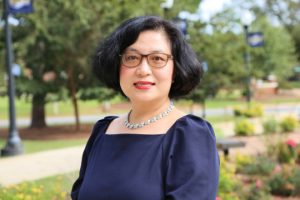 Ke Wang, PhD., is a Data Analyst at The Carter Center, where she drives innovation in data systems, leads caregiver-focused research, and conducts rigorous program evaluation to strengthen caregiver and mental health initiatives. Previously, she led the development of a first-of-its-kind caregiver data platform funded by a $1.1M grant, improving reporting efficiency, research collaboration and program outcomes. Her expertise spans quantitative and qualitative research, healthcare policy analysis, and strategic road-mapping, with a passion for turning data into actionable strategies that advance caregiver and mental health outcomes.